
Location
Payment icons
Έχεις μια καλύτερη τιμή γι αυτό το βιβλίο;
Γίνε συνεργάτης και καταχώρησε την προσφορά σου!
Γίνετε Πωλητής / Υποβολή ΠροσφοράςThe world of greek dance
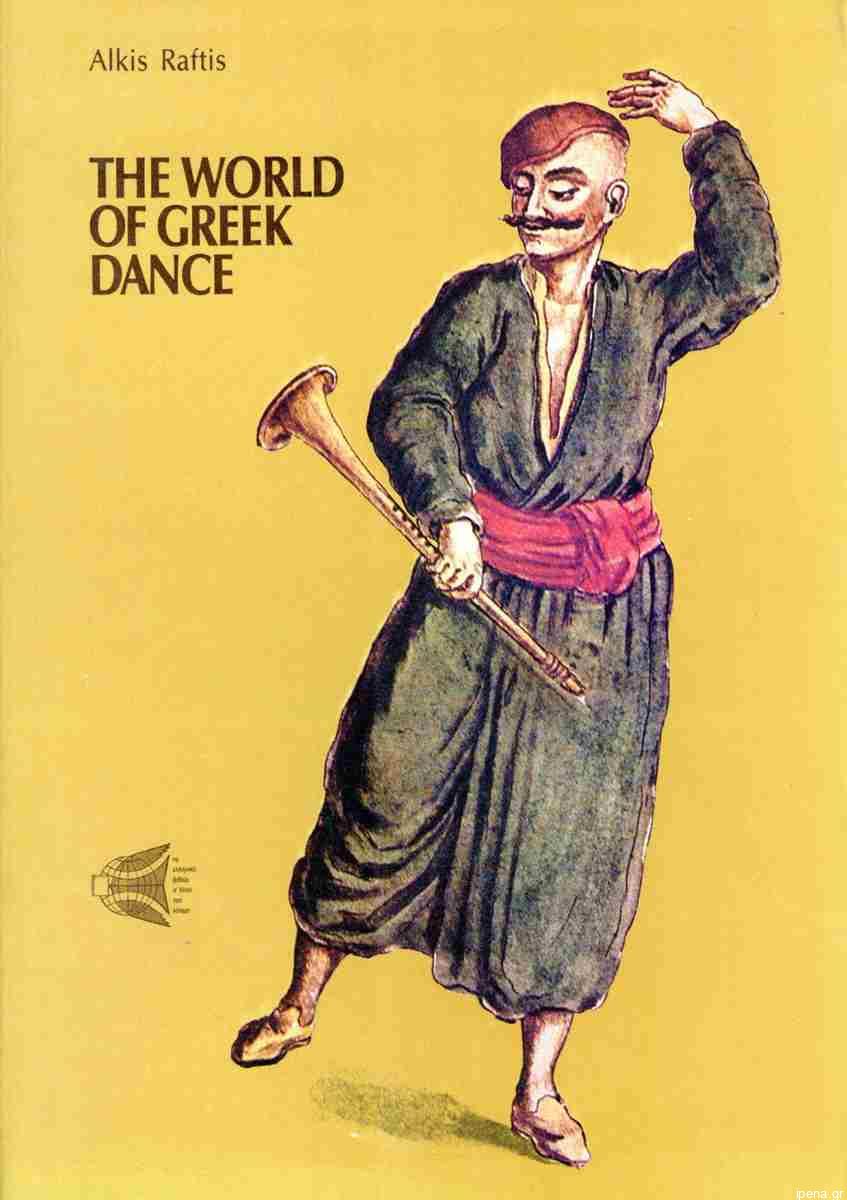
Περιγραφή
There is no country in Europe in which folk dance is as alive and integral to daily life as in Greece. Other countries may boast a greater number of folk dance companies but it is thanks to them that dance still survives, being limited to their performances. Only rarely do the people themselves dance there, on feast days, at weddings and in tavernas. This is not so in Greece. For the Greeks the role of dance in maintaining their national identity is unique. In the United States there are thousands of Greek-American children of second or third generation, who speak only a smattering of Greek yet dance the dances of their original homeland extremely well. And it is not only the Greeks who dance Greek dances. These are taught in countless folk dance troupes abroad and thousands of foreigners come to Greece specially to attend seminars, to dance in tavernas and at patronal feasts (panigyria). Who would believe that there are dance companies able to perform a full programme of Greek dances in Greek costume, without the participation of a single Greek? Who could imagine some fifty foreigners suddenly appearing at a panigyri in some remote village and dancing all the dances just as well as the locals? Greek dance is alive and flourishing: as traditional dance in the villages, as folk dance in the many troupes, as popular dance in the tavernas, to the accompaniment of the klarino, lyra, kementses and bouzouki, even as tourist dance with the ever popular syrtaki. The wedding revels where the bride and groom lead their guests in the dance is still and will continue to be an essential part of the ceremony. Discotheques proliferate, the waltz and tango are vanishing, ballet and modern dance are gaining ground, but Greek folk dance still holds its own. However, this phenomenon embodies a paradox: as impressive in its extent and vitality as dancing activity is, so serious consideration of this subject is non-existent. Since dance is present all around us we treat it casually and pay it very little attention. Even those who dance regularly, as members of groups or in tavernas, regard it as a personal issue and that is where their interest stops. They have no inkling that they belong to a peculiar world, fluid, restive, rich in history, nuances and expression. Little is heard of Greek dance, especially of traditional dance the days of which are numbered. Traditional dance is dying, along with its sole vehicles: the old men and women in the villages. [...] (From the publisher) Περιεχόμενα Contents Preface Introduction FIRST PART / Introductory Tradition and folklore in Greek dance HISTORICAL Ancient Greece Roman and Byzantine period Turkish occupation DANCE SITUATIONS Patronal and public feasts Weddings and family celebrations Coffeehouses Carnival Easter ELEMENTS OF TRADITIONAL DANCE Costumes Music Musicians Instruments THE STUDY OF DANCE Ethnography and dance in Greece Research methodology ILLUSTRATIONS SECOND PART / Directory 1. Village festivals 2. Dance tavernas 3. Performances 3.1 Theatres and festivals 3.2 Shows in tavernas 4. Dance courses 5. Folk dance groups 6. Museums and collections of folk items 7. Costume makers and shops 8. Traditional instrument makers and shops 9. Musicians' coffeehouses 10. Records of traditional music 10.1 Record companies and shops 11. Research institutions and resources 12. Bibliography on Greek dance 12.1 Bibliography in Greek 12.2 Bibliography in foreign languages 12.3 Bookshops
Χρόνος αποστολής και χρεώσεις:
Χρόνος αποστολής και χρεώσεις:
Συγνώμη, δέν μπορέσαμε να βρούμε επιλογές αποστολής για την τοποθεσία σας. Παρακαλώ επικοινωνήστε μαζί μας και θα δούμε τι μπορούμε να κάνουμε για αυτό

Λεπτομερειες
Εκδότης
ISBN
Σελίδες
Έκδοση
Τύπος
Κατάσταση
Διαστάσεις
Συνδεθείτε για να μπορέσουμε να σας ειδοποιήσουμε σχετικά με μια απάντηση
Συγγραφέας: RAFTIS ALKIS
