Location
Payment icons
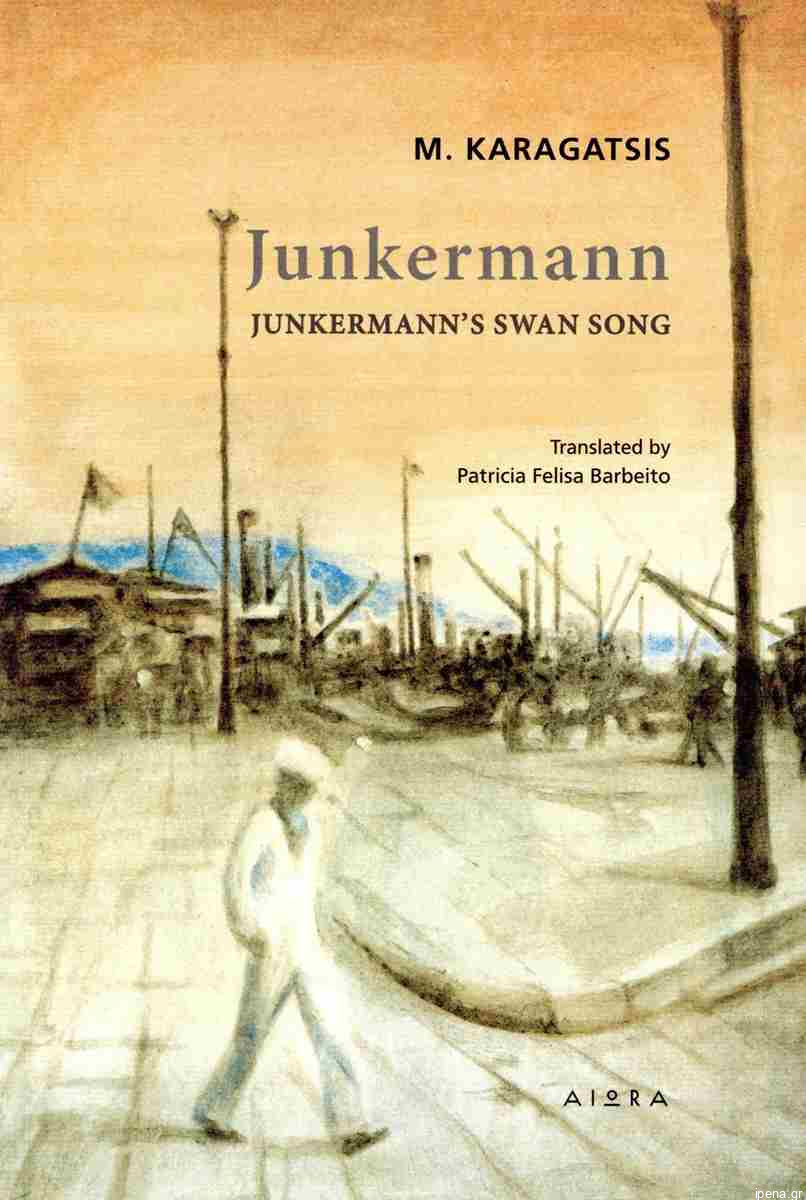
Junkermann // Junkermann's swan song
Description
Junkermann's Swan Song returns to Vasily Karlovich Junkermann at the end of his life. The swaggering adventurer of the first volume -Cossack guard, refugee, social climber, and self-styled conqueror of interwar Athens- now confronts the reckoning of age, disillusionment, and decline. Where Junkermann traced a frenetic rise shaped by appetite, ambition, and desire, this second volume turns inward, offering a darker, more introspective meditation on memory, loss, and mortality. Older and increasingly isolated, Junkermann looks back on a life that now appears at once grand and grotesque, a farce animated by illusions of success, love, and masculine honour that have long since curdled into bitterness and emptiness. As past passions and betrayals resurface, the novel assumes a distinctly Faustian cast, probing the psychic costs of a life spent in pursuit of power and pleasure. Tragic, surreal, and often darkly comic, Junkermann's Swan Song weaves together psychological depth and Freudian undertones with Karagatsis's sharp social insight and mordant humour. In its unflinching portrait of a man undone by the very myth that once sustained him, the novel becomes a haunting reflection on the chimera of success and the devastation that follows when its promise proves hollow. (From the publisher) + Περιεχόμενα The Cossack, Cypris and Hermes The Cossack and his Fate EPILOGUE - Junkermann's Swan Song +
Shipping time and rates:
Shipping time and rates:
Sorry, we couldn't find any shipping options for your location. Please contact us, and we'll see what we can do about it.

Λεπτομερειες
Εκδότης
ISBN
Τύπος
Κατάσταση
Please sign in so that we can notify you about a reply